TikTok Purple Ticket Campaign: Why Users Are Upset Over the December 2024 Changes
Introduction
The TikTok Purple Ticket campaign, a referral-based rewards program launched in December 2024, has sparked significant backlash following abrupt changes to its rules and redemption policies. While initially celebrated for offering users exciting opportunities to earn rewards that could be spent in the TikTok shop, the campaign’s unexpected conclusion and revised terms left many participants feeling frustrated and betrayed.
What Was the TikTok Purple Ticket Campaign?
The Purple Ticket campaign was a short-term promotional event designed to reward TikTok users for inviting new participants to the platform. By sharing referral links and engaging with TikTok’s content, users could earn reward dollars that could be spent on the platform’s TikTok shop. Users were thrilled to be able to participate in this program, especially with the holidays approaching and TikTok Shop being a popular place to shop for gifts and novelties.
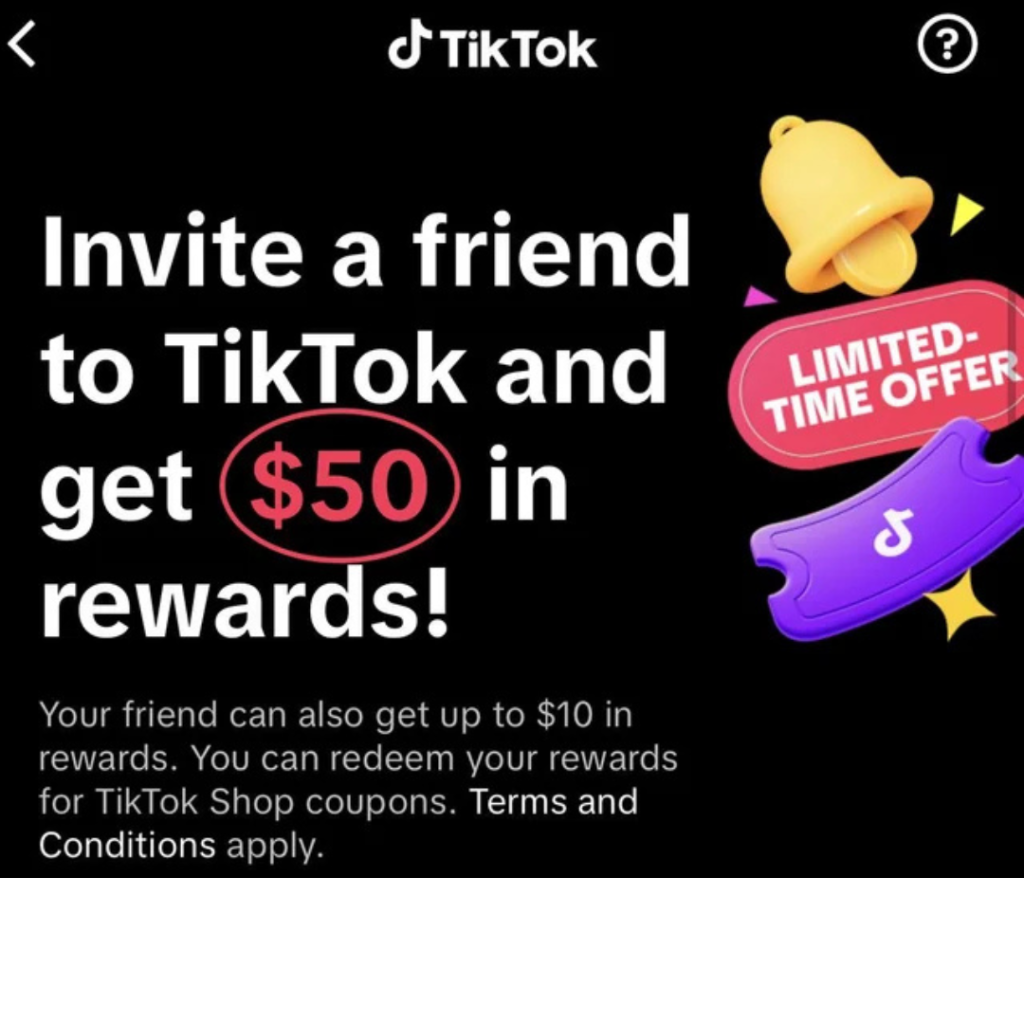
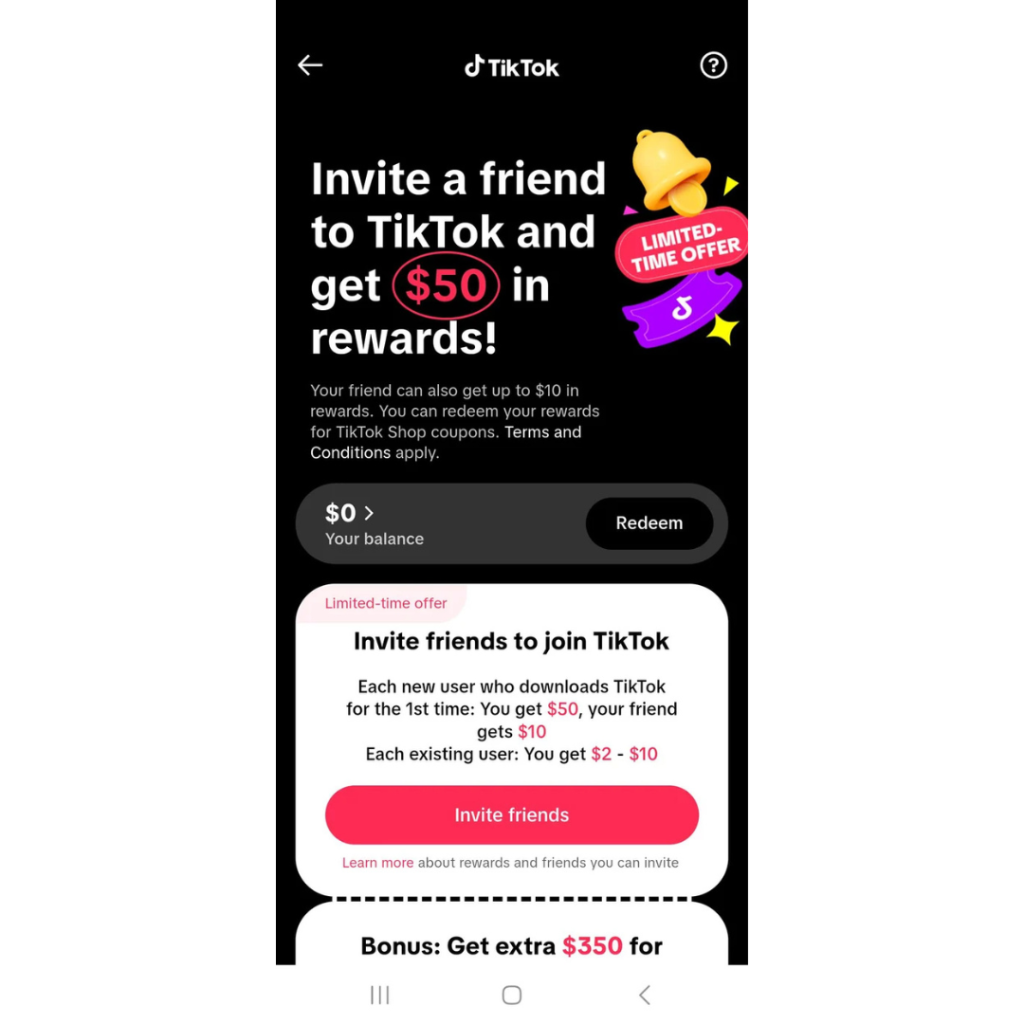 How Users Earned Tickets: Purple Tickets were earned through actions like referring friends, who then signed up and actively used the app. You could also earn funds by having existing users click your link, directing them back into the app.
- Initial Appeal: With promises of generous payouts and accessible rewards, the campaign attracted millions of participants worldwide.
Early Changes to Referral Click Limits
One of the first signs of trouble came in early December when TikTok quietly reduced the number of referral clicks allowed per user. Initially, users could earn between $2 and $10 dollars for successful for successful referrals and existing users with a limit of ten per day but this was abruptly cut to just 2 referrals per day without prior notice.
Additionally, sometime during the first week of the campaign, TikTok made it necessary for the referring user to get a new link daily, as the one from the day before would expire. This meant that those in the program would have to post about it repeatedly, rather than inviting all their friends to click from one post.
Impact of the Change:
- Confusion Among Participants: Many users only discovered the change after their additional referral attempts failed to generate rewards.
- Reduced Earning Potential: This unexpected limitation drastically reduced the maximum rewards users could earn, leaving many feeling blindsided. This was especially so for people who signed up as a referral, with the promise they too could take advantage of the opportunity to earn rewards. Sadly, within a day or two of being referred, what they could potentially earn was drastically limited.
- User Backlash: Participants took to social media to express their frustrations, with some accusing TikTok of unfairly moving the goalposts midway through the campaign.
Unfair Changes to the Program Rules
Despite its popularity, TikTok announced yet another set of changes to the Purple Ticket campaign mid-December, significantly altering the terms of participation and redemption. These changes were communicated with no notice, leaving users scrambling to adapt.
Key Changes:
- Redemption Restrictions:
- TikTok introduced a policy requiring users to cash out rewards only in increments of $1 or $50.
- Balances between these amounts could only be redeemed $1 at a time, and only once per day, causing significant delays for users trying to access their earnings. Further, TikTok also implemented a deadline of December 24th for participants to use their credits. With many only being able to use $1 a day – many have given up on their hard-earned rewards as they have essentially become useless for anyone with a balance under $50.
- Shortened Campaign Timeline:
- The campaign ended earlier than anticipated, catching many participants off guard and leaving some unable to redeem their remaining tickets before the deadline.
- Tighter Eligibility Requirements:
- Certain geographic regions became ineligible for participation just days before the program concluded, alienating many users who had been actively earning rewards through this poplar referral campaign.
TikTok Purple Ticket Campaign User Reactions and Backlash
The sudden halt of the TikTok Purple Ticket referral program led to widespread dissatisfaction among TikTok users, with many taking to social media to express their frustrations.
Common Complaints:
- Lack of Communication: Users criticized TikTok for failing to provide clear and timely updates about the program’s changes.
- Inconvenient Redemption Process: The new cash-out limits and daily restrictions made it difficult for users to fully access their rewards.
- Perceived Unfairness: Many felt the changes unfairly penalized participants who had invested significant time and effort into earning rewards. In their eyes, TikTok did not keep up their end of the bargain.
Social Media Outcry:
Hashtags like #PurpleTicketFail and #TikTokBacklash trended on platforms like Twitter and Instagram, as users shared screenshots of their remaining balances and vented their disappointment.
@tamurielestapleton #purpleticket #tictokrewards #ticketforticket #helpeachother #tiktokgrowth #tiktokrewardscam #bamboozled ♬ original sound – TaMuriele Stapleton
Financial Impact on Users
For many creators and participants, the Purple Ticket campaign was seen as a valuable opportunity to earn extra income. The revised policies, however, drastically reduced the rewards’ accessibility, leaving users with:
- Unredeemable Balances: Many participants were stuck with ticket balances that did not meet the $50 threshold or required months of $1-per-day redemptions to access.
- Lost Trust: The abrupt changes created uncertainty about TikTok’s commitment to supporting its users.
@cassitttyy I just woke up, don’t judge. It would have been cool if they just didn’t keep changing it. It was great in the beginning #purpleticket #purpletickets #fyp #creatorsearchinsights ♬ original sound – Cassity 🌻🌱🍉
TikTok’s Official Response
In response to the backlash, TikTok issued a statement defending the changes as necessary for maintaining the program’s integrity and combating fraudulent activity.
“While we understand the concerns raised by our users, these adjustments were implemented to ensure a fair and secure experience for all participants,” a TikTok spokesperson said.
However, this explanation did little to appease angry users, who questioned the platform’s transparency and fairness.
Conclusion
The TikTok Purple Ticket campaign’s abrupt end and controversial rule changes serve as a cautionary tale about the importance of clear communication and fair practices in promotional programs. While TikTok’s intentions may have been to protect the campaign from abuse, the execution left many users feeling alienated and undervalued.
As TikTok continues to refine its reward-based initiatives, it will need to rebuild trust with its user base by prioritizing transparency and fairness. For now, the Purple Ticket controversy remains a significant blemish on the platform’s reputation.